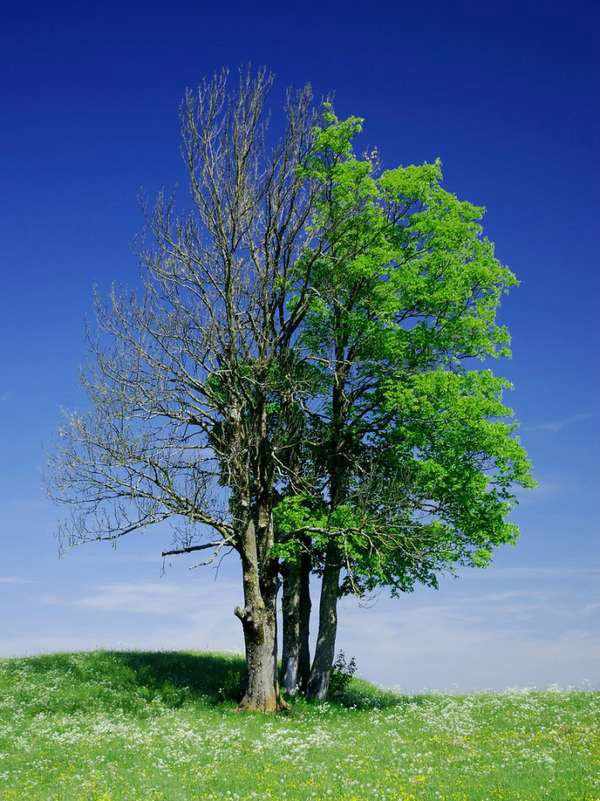
2021 Winter Storm Tree Damage Information
In Plano, we love our trees. We believe healthy trees make healthy lives. They also play an important role in what makes us a recognized “Tree City USA” community and the City of Excellence. Historic winter storm Uri brought record low temperatures to Texas for a few days in February 2021. The bitter cold shocked trees and other plants. As a result, over 6,000 trees in Plano are expected to be dying or damaged, and may need to be removed or pruned for the health and safety of residents and property. Plano’s parks contain 200 dying or damaged trees. Plano Parks & Recreation will remove the dead and damaged trees, and replace them with healthy native and well-adapted tree species as they become available.
Download a list of recommended trees here (PDF). These native and well-adapted trees will help diversify our growing urban forest, which consists of over 1.69 million trees with a replacement value of $1.6 billion.
The remainder of the 6,000 trees are located on private property. We’ll need your help removing those dead trees to make room for healthy new greenery in Plano’s tree canopy. This webpage provides resources and information to help you identify a possible dead or dying tree in your yard, as well as help you to choose a tree contractor to assist with tree removal.
Winter Storm Uri Tree FAQ’s (PDF)
Selecting Contractors to Remove Trees (PDF)
How Do I Know If I Have Dead or Damaged Trees in My Yard?
Potential signs of a dead or damaged tree include:
- Brown and brittle bark falling off and/or vertical cracks
- Few healthy leaves left
- An abundance of dead wood
- Branches falling to the ground
- New sprouts coming from the trunk or base of the tree
- A sudden or gradual lean
- A host of insects and rodents
How to Hire a Contractor for Tree Removal
Did you know that Tree Care is not regulated in Texas? Anyone with a chainsaw and a truck can cut down a tree without experience. Be cautious with door-to-door tree salespeople.
Ask the following questions to find out if a Tree Care Professional is qualified:
- Are you “Insured”?
- Do you have an ISA Certification?
- Will you be roping down limbs?
- How will you protect my irrigation sprinklers, the sidewalk, my home, other trees and my neighbor’s home from getting damaged?
- Can you explain the tree removal process to me?
Beware of the door-to-door solicitor. You may get a better price for tree removal, but at what cost?
Save Time, Ask Your Contractor to Haul Away Trees
Right now, many Plano residents are doing extensive tree trimming or tree removal because of February’s winter storm. Locals are encouraged to have a reputable contractor haul away large piles of tree materials, which may save time in the long run. Why?
Here’s why. The City’s Public Works staff is currently running behind schedule due to the high volume of calls received after the winter storm. Wait times are expected to become even longer as more requests come in for tree debris removal. To avoid a lengthy wait, it’s recommended you use a contractor to haul away large piles limbs, and branches.
If you opt to wait for City crews, you must schedule a special paid collection for piles larger than 6 feet x 4 feet x 4 feet. Debris should be neatly stacked at your regular collection point at least 2 feet from trees, fences, utility boxes, gas meters, and vehicles. Do not place piles between the fence and alley (easement).
A few things to consider if tree material waits for collection:
- Large collection piles may block your driveway for an extended period of time.
- Grass underneath those piles may die or suffer damage.
- Debris piles often become a habitat for rats and mice, which may attract other wildlife.
- By hiring a contractor, it’s likely your large debris piles will be picked up much sooner.
https://www.plano.gov/1996/2021-Winter-Storm-Tree-Damage-Informatio
FAQ’s Winter Storm Damage
- Is my tree dead?
The general consensus among Texas arborists is to wait until the end of summer to make an assessment of your tree(s), especially if you have more than 60 % of the canopy covered with leaves. Some trees have begun pushing out new growth at the base of the tree, the trunk of the tree, and in older branches. This type of growth is typically a sign of stress and should be closely monitored throughout the summer. We expect some trees to recover and some trees to continue to decline over the summer. - Will the City of Plano help pay for tree removal?
Residents are responsible for removal of trees on their property and any adjacent right of way they are required to maintain. Residents are responsible for right of way areas like the alley grass strip and the sidewalk grass strip adjacent to their property. - Why do I have to remove my tree?
Trees that are dead and/or damaged from the winter storm can be a safety hazard. Over time, wood can become brittle and is susceptible to breakage which could lead to limbs and branches falling down. These limbs can injure citizens and cause damage to buildings, vehicles, sidewalks, and other amenities. - What is reduction pruning?
Reduction pruning involves removing dead branches located on the outer edge of a tree canopy. This can be done to decrease the size of a tree and to remove any dead or damage tree limbs. - What is an ISA Certified Arborist?
Professionals that have an ISA Certification have achieved a high level of knowledge and skills to properly care for trees. In the case of tree removal, the need for a Certified Arborist is not as important as being insured. - How do I select a contractor to remove my tree?
Please check out our “Contractor Selection” section for more information. - What kind of insurance should my contractor carry to protect myself and my family in case of an accident?
Being insured protects the Tree Care Company from any accidents, incidents, or property damage during the course of business. An accident that occurs on your property could place liability on the home owner. Make sure to request a certificate of insurance from any tree company. Also, it is extremely important that the company has worker’s comp for tree climber’s and tree care and not landscapers insurance. This protects the property owner from being liable for injuries. You can verify insurance coverage in Texas at
https://www.tdi.texas.gov/wc/employer/coverage.html. - What is stump grinding?
Stump grinding involves the removal of the remaining tree stump once the tree has been removed. We recommend grinding the stump 1-2 feet below soil grade. - Where should I stack the wood that has been cut down from my tree?
When hiring a contractor to cut down your tree, make sure to have debris removal included in the work. Please click here for Bulky Waste Collection Information. - What kind of tree do I have?
There are several resources available to the public (for free). The Texas A&M Forest Service has an “ID by Leaf” page set-up here: http://texastreeid.tamu.edu/content/idByLeaf/
There is also an app called “iNaturalist” that will let you take a picture of any plant using your phone and help ID it for you. Check your phone’s app store for availability. - Can I cut down my own tree?
Yes. However, we do recommend that homeowner’s with medium to large sized trees hire a contractor for safety reasons. - What are no cost opportunities for replacement trees?
TBD - Does my HOA require that I get permission before cutting down my tree?
Contact your HOA for more information. More information here. - Does my HOA require that I re-plant a tree?
Contact your HOA for more information. More information here. - What kind of trees should I plant?
We recommend planting native and well-adapted trees. You can visit the Texas A&M Forest Service Tree Selector Guide here. You can also see Plano’s Recommended Tree List here. - Can I plant a tree in the same location as the previous tree?
Depending on the size of your previous tree, you may find an extensive root system that will make it difficult to dig a hole large enough to plant a tree. We suggest planting a tree at least 5’ away from the previous tree. - Do I need to call 811 before planting my tree?
Always call 811 before you dig. It is FREE! Texas811 Call 811, understand where your irrigation/water service pipes are, and electrical/gas/sewer service lines. - What is the best way to plant a tree?
Written Guide: https://tfsweb.tamu.edu/arborday/plantingsteps/
Videos: https://www.plano.gov/870/Urban-Forestry-Information - When is the best time to plant a tree?
The best time to plant a tree is in the fall and winter months, when the tree is dormant and has no leaves. This will give the tree time to root in the spring before the hot summer sets in.
From: https://content.civicplus.com/api/assets/2bffef62-1af6-47e3-97ab-7a1a7e129d08

Leave a Reply to Flora Langel De Kock Cancel reply